
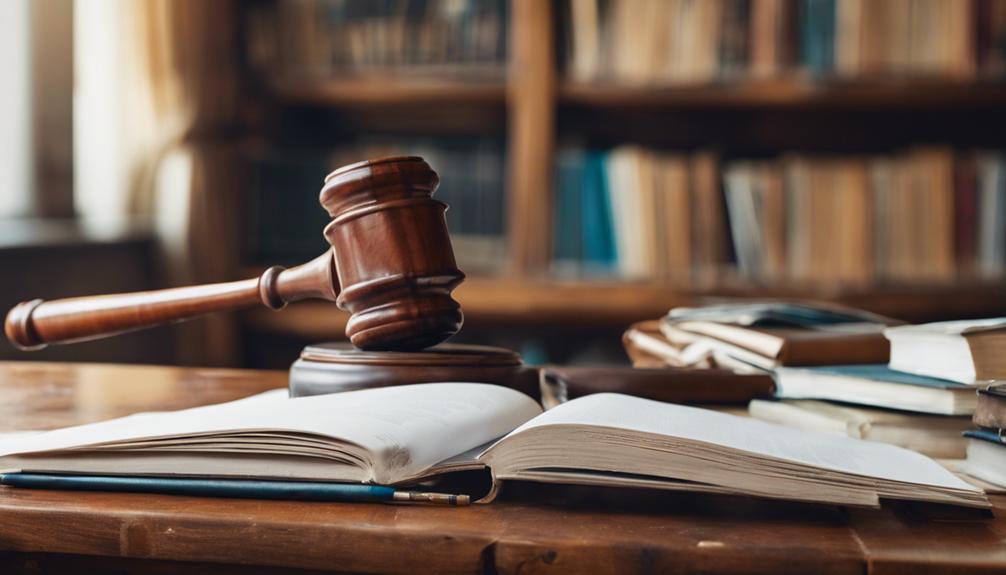
In today’s digital age, understanding copyright laws and fair use is essential for creators, businesses, and everyday internet users. Whether you’re an artist, writer, educator, or social media user, knowing your rights and limitations can help you navigate the complex world of intellectual property. Misusing copyrighted materials, even unintentionally, can result in legal consequences. On the flip side, knowing how to properly apply fair use in copyright law can give you more creative freedom without infringing on others’ rights.
Understanding Copyright Laws
Copyright is a legal protection granted to the creators of original works, including books, music, films, photography, and even software. The moment a work is created and fixed in a tangible medium—whether written, recorded, or digitally stored—it is automatically protected under copyright law.
What Copyright Protects
Copyright grants the creator exclusive rights to:
- Reproduce the work
- Distribute copies
- Perform or display the work publicly
- Create derivative works (such as adaptations or remixes)
These rights ensure that creators can benefit from their work while preventing unauthorized use. However, there are exceptions where copyrighted materials can be used legally without permission—this is where copyright and fair use guidelines come into play.
What Is Fair Use in Copyright?
One of the most misunderstood aspects of copyright law is what is fair use in copyright. Fair use is a legal doctrine that allows limited use of copyrighted materials without obtaining permission, as long as it meets specific criteria. It is commonly applied in education, criticism, news reporting, research, and parody.
To determine whether a particular use qualifies as fair use in copyright law, courts consider four key factors:
1. The Purpose and Character of the Use
Is the use transformative? If the work is being used in a way that adds new meaning, commentary, or educational value, it has a stronger fair use claim. Nonprofit and educational uses are more likely to be considered fair use compared to commercial purposes.
2. The Nature of the Copyrighted Work
Factual works (such as news articles or historical records) are more likely to fall under fair use than highly creative works like novels or movies. The less original the work, the more likely fair use applies.
3. The Amount and Substantiality of the Portion Used
Using a small portion of a copyrighted work strengthens a fair use claim. However, if the “heart” or most essential part of the work is used, it may not qualify, even if the portion is small.
4. The Effect on the Market Value
If the use of a copyrighted work negatively impacts its market value—meaning people are less likely to purchase the original because of your use—fair use is less likely to apply.
Examples of Fair Use
To put these principles into perspective, here are some real-world applications of copyright and fair use guidelines:
- Education: A teacher photocopying a few pages of a textbook for classroom discussion.
- Criticism & Commentary: A film critic using short clips in a review.
- News Reporting: A journalist quoting part of a speech in an article.
- Parody: A comedian creating a humorous twist on a well-known song.
Each case is unique, and fair use is evaluated on a case-by-case basis. It’s not a blanket permission to use copyrighted works but rather a defense that must be justified if challenged.
How to Use Copyrighted Content Legally
Even if your intended use does not clearly fall under fair use in copyright law, there are other ways to legally use copyrighted material:
1. Seek Permission or Licensing
If you need to use copyrighted content, getting explicit permission from the creator or purchasing a license is the safest route. Many artists and organizations offer licensing options for fair compensation.
2. Use Public Domain and Creative Commons Works
Works in the public domain are free for anyone to use without restriction. Additionally, Creative Commons licenses allow creators to share their work with specific usage guidelines. Always check the license terms before using such materials.
3. Attribute the Creator Properly
Giving credit to the original creator is not a replacement for permission, but it is good practice when using legally permissible materials.
4. Modify and Transform the Work
If you can add a significant new element—such as commentary, education, or parody—your work may be more likely to qualify as fair use.
Final Thoughts
Understanding copyright laws and fair use is crucial in today’s interconnected world. Whether you are a content creator, educator, or casual user, knowing your rights and responsibilities can prevent legal issues and ensure ethical content use. By following copyright and fair use guidelines, you can navigate the complexities of intellectual property while respecting the work of others.
Before using copyrighted material, always evaluate whether your use aligns with what is fair use in copyright. When in doubt, seek permission or opt for public domain resources to stay on the right side of the law. Knowledge is power—use it wisely!


More Stories
Navigating the Creative Minefield: How Copyright Laws Shape Innovation Without Stifling It
Navigating the Maze: Copyright Laws Explained for Creators and Consumers
Copyright Protection Strategies: Safeguarding Your Creative Legacy