
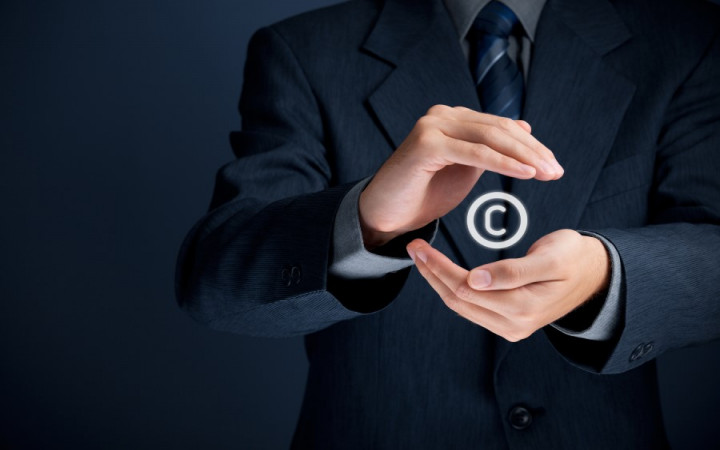
The world of intellectual property can feel like a tangled web of legal jargon and restrictions. However, for creators, educators, and businesses, understanding the difference between copyright and public domain is crucial. While copyright protects an individual’s original work, the public domain offers a treasure trove of creative content that is free for anyone to use. But how do you determine what’s truly free to use? And what are the public domain copyright rules that govern these works? Let’s unravel the mystery.
Understanding Copyright and Public Domain
Copyright grants exclusive rights to the creator of an original work, allowing them to control how it is used, distributed, and reproduced. These rights apply to books, music, films, artwork, and even software. In most countries, copyright protection begins the moment a work is created and lasts for the author’s lifetime plus a set number of years, typically between 50 and 70 years after their death.
The public domain, on the other hand, consists of works that are not protected by copyright. This means that anyone can use, modify, or distribute these works without seeking permission or paying royalties. However, just because something is available online does not mean it is in the public domain. There are clear public domain copyright rules that determine what qualifies.
What’s Free to Use in Public Domain?
The following types of works generally fall into the public domain:
1. Works with Expired Copyright
Once a copyright term expires, the work enters the public domain. For example, classic literature like Shakespeare’s plays, Beethoven’s symphonies, and the novels of Jane Austen are all free to use without restriction. In the United States, any work published before 1929 is automatically in the public domain. Each year, new works transition into public domain status as their copyright terms expire.
2. Government Publications
Many government-created works, such as laws, court rulings, and official reports, are in the public domain. In the U.S., materials produced by federal agencies are generally free to use. However, some state or local government works may still be copyrighted, so it’s important to verify the status before using them.
3. Works Dedicated to the Public Domain
Some creators voluntarily place their work in the public domain, waiving their rights. Creative Commons licenses, such as the CC0 (No Rights Reserved) designation, allow authors to explicitly state that their work is free for public use.
4. Uncopyrightable Works
Certain types of content cannot be copyrighted in the first place. Ideas, facts, mathematical formulas, and commonly used symbols (such as the heart shape or the infinity symbol) are not protected by copyright law and are free for anyone to use.
Using Public Domain Content Legally
While public domain works are free to use, there are still important considerations to keep in mind:
1. Verify Public Domain Status
Just because something is old doesn’t mean it’s in the public domain. Some works have been republished or altered in ways that grant new copyright protection. Always check official sources, such as the U.S. Copyright Office or Project Gutenberg, to confirm a work’s status.
2. Be Cautious with Translations and Adaptations
Even if an original work is in the public domain, a modern translation, adaptation, or annotated edition may still be copyrighted. For example, while Mary Shelley’s Frankenstein is in the public domain, a recent translation or film adaptation may not be.
3. Consider Moral Rights and Attribution
Even though you are legally allowed to use public domain content, ethical considerations still apply. Giving credit to the original creator, even when not legally required, is a best practice. Some countries, particularly in Europe, recognize “moral rights,” which allow creators to protect the integrity of their work even after it enters the public domain.
4. Watch for Trademarks
A work being in the public domain does not mean that all elements of it are free to use. For example, while the character of Sherlock Holmes is largely in the public domain, specific modern portrayals or branded adaptations may be trademarked. Using a public domain work in a way that infringes on a trademark can still lead to legal trouble.
How to Find Public Domain Content
There are several reputable sources where you can find what’s free to use in public domain:
- Project Gutenberg – A vast collection of classic books in the public domain.
- The Library of Congress – Provides free access to historical photos, films, and documents.
- Smithsonian Open Access – A repository of images, artworks, and scientific data.
- The Public Domain Review – A curated selection of literature, art, and films available for public use.
- Unsplash and Pixabay – Although primarily royalty-free image sites, they include public domain images as well.
The Benefits of Using Public Domain Works
Leveraging public domain content can be a goldmine for creators, educators, and businesses. Here’s why:
- No Legal Restrictions – Public domain works can be freely used, modified, and even sold without permission.
- Creative Freedom – You can adapt, remix, or build upon classic works without fear of copyright infringement.
- Cost Savings – No need to pay for expensive licensing fees or royalties.
- Educational and Cultural Value – Preserves and promotes historical knowledge and artistic heritage.
Conclusion
Navigating copyright and public domain laws may seem complex, but understanding these principles empowers you to use creative works legally and ethically. Knowing what’s free to use in public domain allows you to take advantage of an extensive library of literature, music, and artwork without worrying about legal repercussions. However, always verify a work’s status, consider adaptations and translations, and respect the original creator’s contributions. By following public domain copyright rules, you can confidently incorporate free-to-use content into your projects while staying legally compliant.


More Stories
Navigating the Creative Minefield: How Copyright Laws Shape Innovation Without Stifling It
Navigating the Maze: Copyright Laws Explained for Creators and Consumers
Copyright Protection Strategies: Safeguarding Your Creative Legacy