
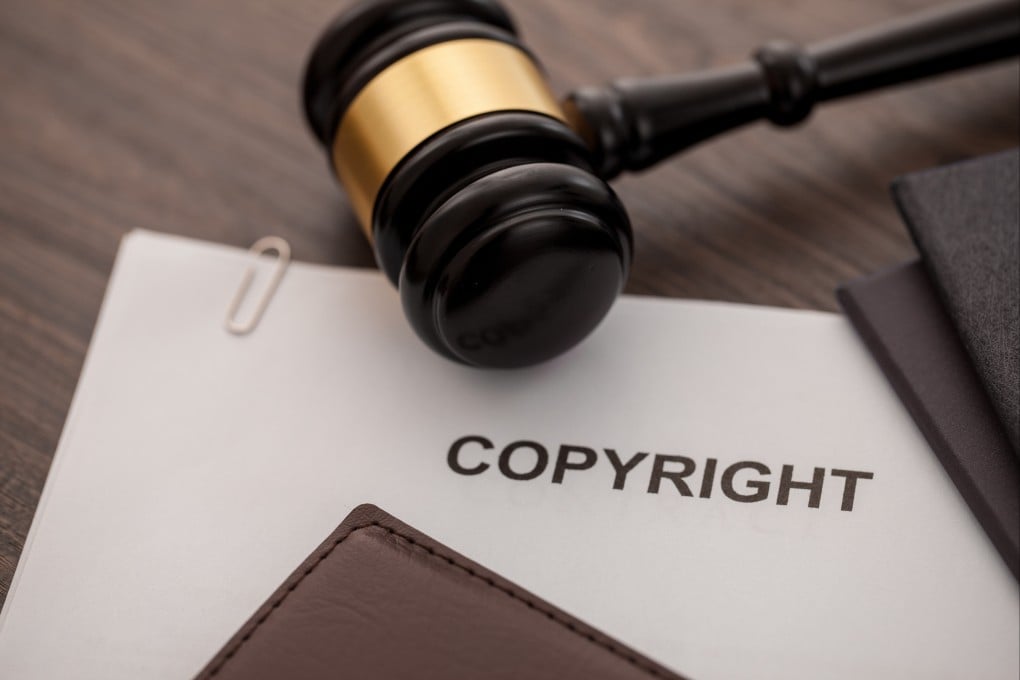
The internet has revolutionized content creation, enabling individuals and businesses to share ideas, stories, and media with a global audience. However, this digital expansion comes with legal boundaries that creators must navigate. Copyright laws and online content are deeply intertwined, shaping what can be shared, reproduced, and monetized. These laws serve to protect intellectual property while also ensuring fair use, but they can sometimes create roadblocks for digital creators.
The Purpose of Copyright Laws in the Digital Space
Copyright laws exist to safeguard creative works, granting exclusive rights to authors, musicians, filmmakers, and other content creators. In the online realm, where replication happens at the click of a button, these laws become even more crucial. Without them, original content could be freely copied and distributed without credit or compensation.
The impact of copyright on content is extensive. From YouTube videos and blog posts to social media graphics and podcasts, copyright regulations dictate how digital material can be used. Unauthorized sharing or adaptation of copyrighted material can lead to legal consequences, including takedown requests, demonetization, or even lawsuits. While these laws help protect original works, they also pose challenges for those who wish to remix, critique, or reference copyrighted material.
Copyright Laws for Digital Content: What Creators Need to Know
Navigating copyright laws for digital content requires an understanding of key principles like fair use, licensing, and attribution. Fair use is a legal doctrine that allows limited use of copyrighted material without permission, typically for purposes such as commentary, criticism, education, or parody. However, determining fair use is not always straightforward, and misinterpretation can lead to infringement claims.
Licensing is another critical component. Some content creators choose to license their work under agreements like Creative Commons, which provide different levels of permissions for reuse. Proper attribution is essential when using licensed content, ensuring that creators receive recognition for their work.
Digital platforms also play a significant role in enforcing copyright laws. Automated content identification systems, such as YouTube’s Content ID, scan uploads to detect copyrighted material. While these systems aim to protect intellectual property, they are not infallible and sometimes mistakenly flag legitimate content. This can create frustration for online creators, especially when their monetization opportunities are affected.
The Challenges for Online Content Creators
For many digital creators, copyright laws affecting online creators can feel like both a shield and a constraint. While these regulations provide protection against content theft, they also introduce complexities that can hinder creativity.
One of the biggest challenges is navigating copyright claims on platforms like YouTube, Instagram, and TikTok. A creator may spend hours producing a video, only to have it demonetized or removed due to a disputed claim. Even background music, stock images, or short film clips can trigger copyright enforcement mechanisms.
Moreover, international copyright laws vary, creating additional difficulties for content creators with a global audience. A video that is legally permissible in one country may be flagged in another due to differing regulations. This makes it imperative for online creators to stay informed about the laws in multiple jurisdictions, especially if they monetize their content across different regions.
Striking a Balance: Protection vs. Creative Freedom
The relationship between copyright laws and online content is complex. While these laws protect original creators, they must also allow room for innovation, commentary, and artistic reinterpretation. Many advocates call for copyright reform to better accommodate the modern digital landscape, where content sharing and remix culture are integral parts of online creativity.
Some potential solutions include clearer guidelines on fair use, more transparent dispute resolution processes, and better protections for creators who operate in good faith. Additionally, digital platforms must refine their copyright enforcement tools to prevent wrongful takedowns that hinder content creation.
Understanding copyright laws for digital content is essential for anyone publishing online. While these laws protect intellectual property, they also present challenges for digital creators who must carefully navigate restrictions to avoid infringement. The impact of copyright on content is far-reaching, influencing how individuals and businesses produce, share, and monetize their work.
For copyright laws affecting online creators, staying informed and using proper licensing practices can help mitigate risks. As digital landscapes continue to evolve, striking a balance between protection and creative freedom will be key to fostering a fair and thriving online content ecosystem.


More Stories
Navigating the Creative Minefield: How Copyright Laws Shape Innovation Without Stifling It
Navigating the Maze: Copyright Laws Explained for Creators and Consumers
Copyright Protection Strategies: Safeguarding Your Creative Legacy