
International law often seems like a distant or abstract concept, something that applies only to governments, global organizations, or large-scale treaties. However, its everyday impact is far more significant than many people realize. The intricacies of international law touch nearly every aspect of our daily lives, influencing the products we consume, the rights we enjoy, and even the safety we experience. From the food on our tables to the safety of the environment, global law in daily activities plays a crucial role in shaping the world we live in.
Law’s Influence on Daily Life
At its core, international law exists to regulate relations between states, but it also extends into areas that impact individuals directly. For instance, international trade agreements determine what products are available in local markets. When you buy a smartphone or a luxury item, you may not realize that these goods are often the result of international agreements designed to regulate their production, transport, and sale across borders. These agreements are governed by international law, which sets standards for the quality, safety, and intellectual property rights associated with these products.
Furthermore, law’s influence on daily life is not just about the goods we buy. It’s also about the environment we live in. International law plays a key role in managing the global commons, such as oceans, the atmosphere, and even outer space. International environmental agreements like the Paris Climate Agreement regulate actions taken by countries to curb global warming and reduce carbon emissions. These laws affect everything from the air we breathe to the energy we use in our homes.
Global Law in Daily Activities
Global law is also a powerful force in determining the safety of the products we use and the rights we have as consumers. Think about the food we eat, for example. The food you purchase at a grocery store is subject to a set of international laws that ensure its safety. These include global regulations on pesticide use, food labeling standards, and guidelines for foodborne illnesses. Organizations such as the World Health Organization (WHO) and the Food and Agriculture Organization (FAO) work in tandem to set international standards that all countries must adhere to, ensuring that your meals are not only nutritious but also safe.
In addition, international law also protects workers and their rights in a globalized economy. Labor standards set by international bodies, such as the International Labour Organization (ILO), regulate issues like fair wages, workplace safety, and child labor. These standards are meant to ensure that even workers in remote regions are treated fairly and with respect, contributing to improved working conditions worldwide.
Another example of global law in daily activities is the regulation of travel and immigration. International treaties between countries govern the movement of people across borders. These agreements ensure that travel is both safe and predictable. Whether you’re flying across the world for business or vacation, international conventions such as the Chicago Convention on International Civil Aviation ensure the safety and security of air travel. Customs procedures, visa regulations, and border control measures, all shaped by international law, influence how freely people can move between countries.
International Law and Personal Life
Though often unseen, international law also plays a significant role in our personal lives, especially when it comes to issues like privacy, protection from crimes, and human rights. In recent years, data privacy has become a huge concern, and it’s thanks to international law and personal life that the world is starting to adopt more stringent rules for data protection. The European Union’s General Data Protection Regulation (GDPR) serves as an example of how international law can shape privacy policies that protect individuals’ personal information.
Similarly, international law provides a framework for the protection of human rights. Instruments like the Universal Declaration of Human Rights (UDHR) and the International Covenant on Civil and Political Rights (ICCPR) set out a universal standard of human dignity, ensuring that all people, no matter where they live, are entitled to basic freedoms and protections. These laws are often implemented by national governments, but their roots lie in international agreements that establish these rights on a global scale.
On a more personal level, international agreements also regulate issues related to family law, such as child custody, divorce, and inheritance. When families from different countries face legal disputes, international conventions such as The Hague Convention on the Civil Aspects of International Child Abduction help resolve issues by setting a standard process for handling such cases, ensuring that children’s rights are upheld across borders.
Addressing Global Challenges through International Law
As the world becomes more interconnected, the everyday impact of international law is only expected to grow. Take, for example, the challenges of tackling global health crises. The COVID-19 pandemic demonstrated how international law can shape our response to global health emergencies. International agreements on disease control, including the International Health Regulations (IHR), were pivotal in the coordinated efforts to manage the spread of the virus. These laws govern the sharing of health data, the development of vaccines, and how countries should respond to outbreaks, ensuring a global and cooperative approach to managing public health.
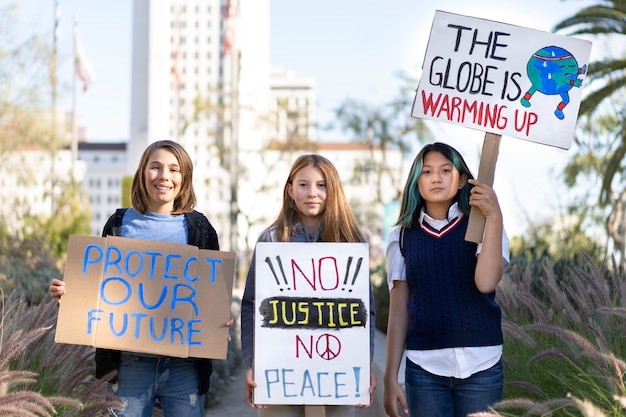
In addition to health, international law and personal life are tightly linked in the ongoing efforts to combat climate change. International agreements like the Paris Agreement aim to unite nations in the fight against global warming. The regulations outlined by these international pacts impact everything from carbon emissions reductions to the implementation of renewable energy solutions in our daily lives. As governments adopt these laws, they influence the products we buy, the energy we use, and even the way cities are designed.
While international law may seem far removed from daily life, its global impact is undeniable. From the products we use to the rights we enjoy, international law shapes how societies interact, trade, and collaborate. It ensures that the world operates with some degree of order and fairness, balancing the needs and interests of nations, corporations, and individuals. As global challenges continue to evolve, the role of international law will only grow in importance, affecting everything from personal freedoms to global security.
Understanding the ways in which international law impacts everyday life empowers us to recognize its significance. Whether it’s ensuring food safety, protecting human rights, or addressing climate change, international law provides the legal framework that helps our world function cohesively. So, next time you travel, shop, or think about your rights, remember: international law is playing an unseen yet indispensable role in your daily life.


More Stories
The Interwoven Web: How Global Legal Systems Shape Our Connected World
Exploring the Unseen: How International Law Shapes Our Hidden Global Agreements
The Silent Sentinels: How International Law Rules Shape Our Global Future