
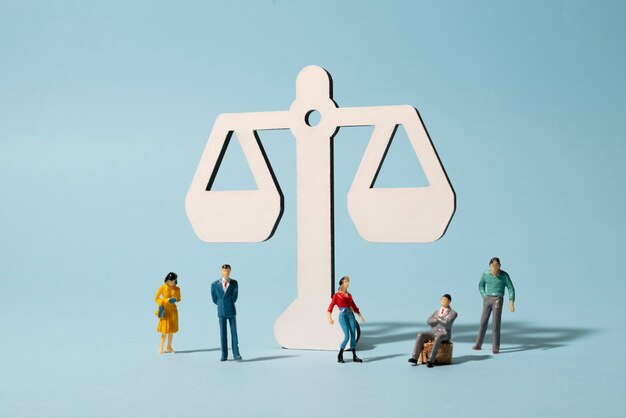
International law serves as the backbone of global governance, influencing peace, human rights, and economic stability. In an era of cross-border challenges, legal frameworks ensure that justice is not confined within national boundaries but extends to all. From war crimes tribunals to trade agreements, the influence of international law is vast, shaping policies that determine how nations interact. But how exactly does international law contribute to fairness and accountability on a global scale?
The Foundation of Global Justice
Justice is a universal ideal, but achieving it on a global scale is a complex process. Nations have their own legal systems, but international law establishes overarching principles that guide diplomacy, economic cooperation, and human rights protection. The role of law in global justice is essential in preventing conflicts, resolving disputes, and holding violators accountable.
International justice systems operate through treaties, conventions, and global institutions, such as:
- The International Court of Justice (ICJ) – Resolves legal disputes between states.
- The International Criminal Court (ICC) – Prosecutes individuals for crimes against humanity, war crimes, and genocide.
- The United Nations (UN) and its agencies – Establish and enforce international norms on human rights, trade, and environmental protection.
These institutions create legal precedents that influence how justice is administered worldwide. Their rulings set standards for nations and help foster a world where accountability is not optional but expected.
Holding Nations and Leaders Accountable
One of the most significant aspects of shaping global justice systems is ensuring that crimes do not go unpunished. Throughout history, there have been cases where political leaders and military officials acted with impunity. However, international law has evolved to hold even the most powerful figures accountable.
For example, the Nuremberg Trials after World War II laid the foundation for prosecuting war crimes. Today, the ICC continues this mission by investigating and prosecuting individuals responsible for atrocities, regardless of their status. This prevents nations from turning a blind eye to violations and strengthens the global justice and law framework.
Protecting Human Rights on an International Scale
Human rights violations are not confined to any one nation. From forced labor to political persecution, countless individuals suffer due to the absence of legal protection. International human rights law, enforced through treaties such as the Universal Declaration of Human Rights (UDHR), ensures that basic freedoms are upheld worldwide.
The influence of international law is evident in how countries approach issues like gender equality, freedom of speech, and refugee protection. While enforcement can be challenging, international pressure, sanctions, and legal proceedings push governments to respect human rights.
Preventing and Resolving Global Conflicts
Conflicts between nations are inevitable, but war is not always the answer. International law provides mechanisms for peaceful dispute resolution, preventing conflicts from escalating into violence. Organizations like the UN and the ICJ mediate territorial disputes, trade disagreements, and diplomatic tensions.
By establishing legal frameworks, international law ensures that disputes are handled through dialogue rather than destruction. This approach not only safeguards peace but also reinforces the role of law in global justice as a means of conflict prevention.
Regulating International Trade and Economic Fairness
Justice is not just about human rights and war crimes—it also extends to economic systems. Global trade relies on legal agreements that prevent exploitation, ensure fair business practices, and regulate financial markets. The World Trade Organization (WTO) and international trade agreements create a level playing field for countries, especially for developing nations that might otherwise be at a disadvantage.
Without legal protections, multinational corporations could exploit workers, harm the environment, or engage in unfair practices. The shaping of global justice systems ensures that economic power does not translate into unchecked dominance, fostering a fairer world economy.
Challenges in Implementing Global Justice
Despite the progress international law has made, challenges remain. Sovereign nations often resist external legal influence, prioritizing national interests over global cooperation. Some of the biggest hurdles include:
- Enforcement Limitations – Without a global enforcement body, compliance with international law relies on political will.
- Conflicting National Laws – Different legal traditions can create inconsistencies in how justice is applied.
- Political Influence – Powerful nations sometimes manipulate international law for their own advantage, undermining fairness.
Even with these obstacles, international law continues to evolve, adapting to new challenges such as cybercrime, climate change, and artificial intelligence regulation.
The Future of Global Justice and Law
As the world becomes more interconnected, the need for robust international legal frameworks will only increase. The rise of digital crimes, environmental concerns, and artificial intelligence ethics presents new legal questions that international law must address.
The future of global justice and law depends on collaboration, innovation, and the continuous strengthening of international institutions. By refining legal frameworks and improving enforcement mechanisms, the world can move closer to a system where justice is not just an ideal but a reality for all.
The influence of international law on global justice is undeniable. From prosecuting war criminals to regulating economic systems, these legal frameworks create order and accountability in an otherwise chaotic world. Though challenges persist, the continued evolution of international law ensures that fairness, peace, and human rights remain at the forefront of global governance. The shaping of global justice systems is an ongoing effort—one that demands international cooperation, legal innovation, and a commitment to ensuring justice for all.


More Stories
The Interwoven Web: How Global Legal Systems Shape Our Connected World
Exploring the Unseen: How International Law Shapes Our Hidden Global Agreements
The Silent Sentinels: How International Law Rules Shape Our Global Future